Back in 2015, Oteil Burbridge found himself in a spot most bass players can only imagine. He was asked to take over for Phil Lesh in Dead and Company, the new version of the Grateful Dead. It was a huge job, and he knew it. Fans of bands like the Grateful Dead and the Allman Brothers really care about who plays bass, and Oteil felt that pressure right away. He didn’t want to copy Phil, but he also knew he had to respect the lines and ideas that shaped the songs from the start.
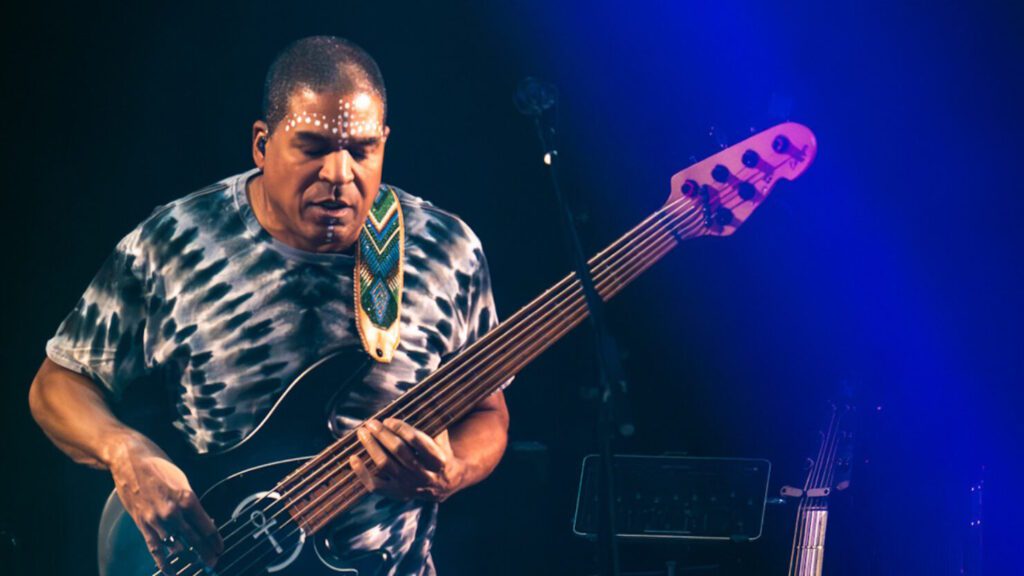
Phil’s playing style was a huge part of what made the Dead sound the way they did. His parts pushed the songs into rock, blues, country, long jams and everything in between. Oteil understood how big that role was. In his mind, taking Phil out of the mix almost meant the band wasn’t the same anymore, which is why he never believed anyone could truly replace him.
Oteil first got pulled into the Dead and Company fold through Bob Weir’s manager, who asked him to try playing with the group. He already had a connection with drummer Bill Kreutzmann from a previous project, and he had played with Bob, Phil and Jeff Chimenti before, so the vibe fit.
At one point Oteil even saw pictures of Mike Gordon from Phish at the Dead’s rehearsal space, so he assumed Mike got the job. Months later, he was surprised when he got the call telling him the gig was his. Mike had to turn it down due to his own band and solo work.
Oteil Burbridge On Preparing For The Gig
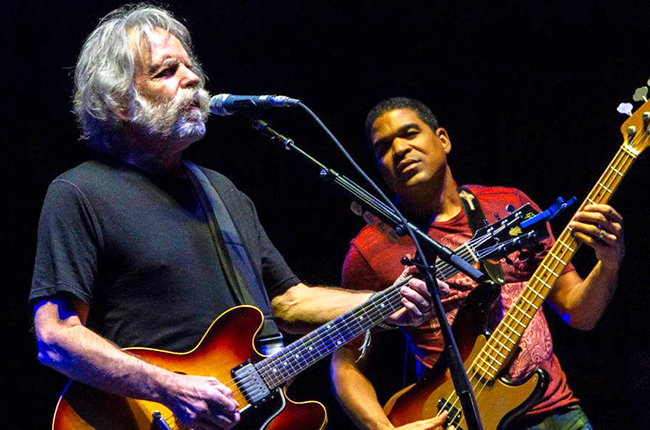
Oteil already knew around twenty Dead songs, but once he understood he was really in, he got to work fast. He picked out fifty songs the band seemed to play often, then linked up with John Mayer, who already knew seventy. They compared lists and filled in the gaps. By the end of rehearsals, they had around eighty or ninety songs ready.
Taking on this gig opened up something new for Oteil. Friends had tried to get him into the Dead since high school, but it never clicked until he got older and had more life experience, especially with writing lyrics and singing. Once he started digging in, he realized how deep the music went.
The songs were built in a way that felt almost like building a structure, with twists in the chords, the grooves, the influences and the tricky timing. Some songs felt like open jams until suddenly, fifteen minutes later, the first verse appeared. Others had parts that happened only once and never came back. Even a song that sounded simple, like Box of Rain, turned out to be much harder than he expected.
At the same time, he loved the freedom. There was no pressure to play everything the exact “right” way. He could bring everything he had learned in his life into the music. It reminded him of the Allman Brothers in how many styles the band covered, but with even wider harmony and wilder lyrics. The open minded spirit of the Dead also hit him hard. From the start, they never let rules box them in. That idea connected with his biggest influences, like Miles Davis, Sun Ra and Jimi Hendrix. In many ways, he felt like the gig was something he was meant to find.
When it came to stepping into Phil’s spot, Oteil found himself in an unusual position for a bassist. Phil rarely played fixed basslines. Only a few songs had lines that had to be played a certain way. Most of the time, he went against the expected part, which meant Oteil had a lot of freedom. Oteil came from a more traditional groove based style, rooted in African rhythms, but he soon realized that many Dead songs came from the same place.
Bob Weir always heard reggae like and funky bass ideas in his head, even in songs where Phil wouldn’t play that way. On tunes like Estimated Prophet, Oteil naturally fell into that groove, and Bob loved it. This pushed Oteil to play in a way that felt true to himself. He joked that he won over the crowds “from the waist down” before anything else, because the grooves hit first.
Oteil On Singing And Finding His Voice
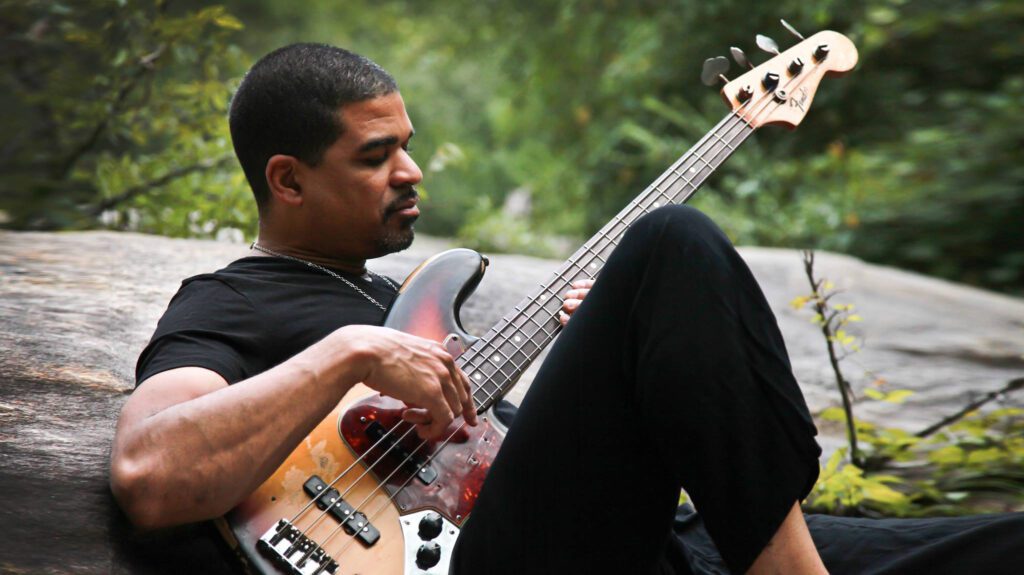
He still connected deeply with Phil’s style. On songs like Bertha, he tried to match the feel, but in his own voice. To him, Phil was like a rock version of James Jamerson, with loose, melodic lines that wandered around the main part, all improvised. That was something Oteil loved. He even got a solo spot on Eyes of the World, which let him try chord style ideas on bass in front of huge stadium crowds.
On top of all that, he also ended up singing lead on songs like Comes a Time, China Doll and If I Had the World to Give. Singing in stadiums shocked him at first, but the band pushed him to do it, and people welcomed it.
Looking back, Oteil feels lucky for all the paths his career has taken. His years with the Allman Brothers were a lesson in rock and many other styles, taught by the people who helped shape them. Gregg Allman opened his ears to soul artists he had never heard before. The band itself was a mix of jazz, blues, R and B, British rock, folk, country, bluegrass, New Orleans music and more. He also got to play with legends at the Beacon Theatre shows, from Roy Haynes to Dr. John. Being part of that made him feel like he had stepped right into music history.
His time with Tedeschi Trucks Band was meaningful too. He had always hoped Derek Trucks and Susan Tedeschi would form a band together, and playing in it with his brother Kofi was a joy. But with an eleven piece band, the touring schedule was nonstop, and Oteil knew he didn’t want to live on the road that much. After two years and two albums, he stepped away, knowing the hard work they all put in could be heard in the music, especially on their live album.
Through it all, Oteil’s career has been shaped by moments he never saw coming. Taking on Phil Lesh’s role was never going to be easy, but he found room to be himself, honor the past and push forward, all at the same time.