Anthony Jackson wasn’t just a bassist. He was a force of nature, a visionary who reshaped how we think about low end. On October 19, the music world lost a true innovator when Jackson passed away at his Staten Island home from Parkinson’s disease. He was 73.
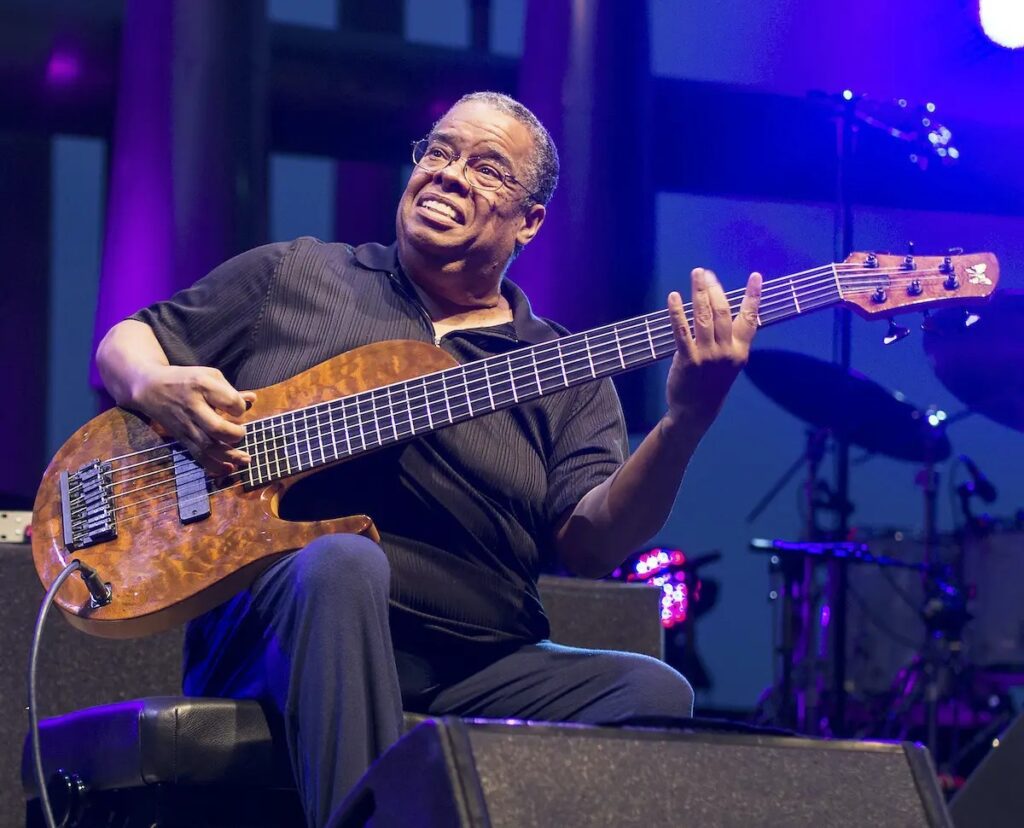
For anyone who’s ever picked up a bass, Jackson’s influence is impossible to ignore. A perfectionist with laser-sharp technique and a tone that could both thunder and whisper, he left his fingerprints on over 500 recordings. From pop and soul to fusion and jazz, he made the bass more than just a supporting instrument – he made it an equal voice.
Anthony Jackson: The Bassist’s Bassist
Among fellow musicians, Jackson was revered as a mentor, a thinker, and a relentless seeker of musical truth. Bassist Tal Wilkenfeld called him “My North Star. My bass guru. My mentor and friend with one of the sharpest minds and kindest hearts I’ve ever known.” Stanley Clarke described him as “a great light in the bass universe… a specially gifted soul whose grooves became permanently etched into music history.”
And those grooves – they’re everywhere. His legendary line on The O’Jays’ “For The Love of Money” is one of the most iconic and sampled bass riffs ever recorded. That phase-shifted, pick-driven riff has shown up in songs by N.W.A., Mary J. Blige, Dr. Dre, and even as the theme for The Apprentice. It’s the kind of line that defines not just a song, but an era.
From New York to the World
Born in Manhattan on June 23, 1952, Jackson started on piano before switching to bass at 13. Influenced by Motown’s James Jamerson and Jefferson Airplane’s Jack Casady, he began gigging in New York clubs by 16. His early break came with Billy Paul’s “Me and Mrs. Jones” and from there, his session career exploded.
He recorded with everyone – Roberta Flack, Paul Simon, Chaka Khan, Madonna, Chick Corea, Al Di Meola, Steve Khan, Hiromi, and countless others. If you’ve heard great music from the 70s onward, odds are you’ve heard Anthony Jackson.

The Contrabass Guitar
Jackson wasn’t content playing a four-string. He envisioned something bigger: the contrabass guitar. A six-string tuned in fourths (BEADGC), it expanded the instrument’s range and possibilities. In partnership with Fodera Guitars, his signature models became holy grails among players chasing clarity, depth, and range.
Al Di Meola, who worked with Jackson on classic albums like Elegant Gypsy and Casino, wrote, “He was a true innovator whose genius reshaped modern music. His sound, precision and soul were unmatched.”
Precision, Passion, and Legacy
Jackson’s pursuit of perfection was legendary. Drummer Simon Phillips recalled how Jackson would sit side-stage before every show, headphones on, listening to Rachmaninoff to get in the zone – then walk out and deliver pure fire. That mix of discipline and soul defined his entire approach.
Though Parkinson’s sidelined him from performing after 2017, the bass community rallied around him earlier this year for a benefit concert, “For the Love of Anthony,” featuring legends like Ron Carter, Victor Wooten, Christian McBride, and Stanley Clarke. It was a fitting tribute to a man whose tone, groove, and intellect inspired generations.
Anthony Jackson didn’t just play bass – he reimagined it. His legacy is not just in the notes he played, but in the countless musicians who now see the bass as he did: limitless.